
Smart Strategies for Safer Orthodontic Movement
OrthoAlign Solution | Precision Planning for Complex Bite Dynamics
Bruxism—chronic teeth grinding and clenching—can complicate orthodontic treatment, especially when using clear aligners. At OrthoAlign Solution, we specialize in designing aligner protocols that accommodate parafunctional habits while protecting enamel, optimizing movement, and preserving long-term oral health.
Here’s how we approach bruxism cases with clarity, customization, and clinical control.
Why Bruxism Demands a Tailored Aligner Strategy
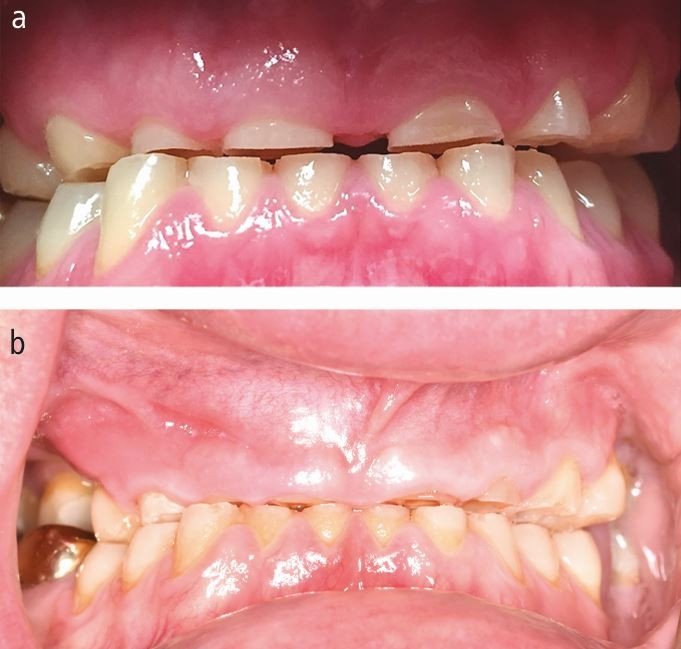
Bruxism exerts excessive force on teeth, often during sleep, leading to enamel erosion, muscle fatigue, and unpredictable bite dynamics. When planning orthodontic movement with clear aligners, we evaluate both the mechanical risks and biological resilience of each patient.
Advantages of Clear Aligners for Bruxism Patients
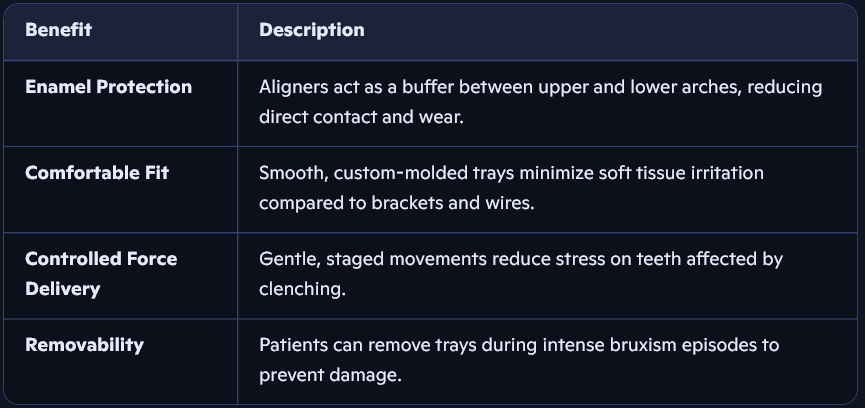
Clear aligners offer several protective and functional benefits for patients with grinding habits:
Challenges of Aligner Therapy in Bruxism Cases
Despite their benefits, clear aligners require modifications when treating bruxism patients:
- Accelerated Tray Wear: Excessive force can cause cracking, distortion, or premature fatigue of aligner material.
- Movement Deviations: Bruxism may interfere with programmed tooth movement, requiring mid-course corrections.
- Fit Discomfort: Added pressure can lead to soreness or misfitting trays, especially in high-grind zones.
OrthoAlign’s Modifications for Bruxism-Friendly Aligner Protocols
To ensure safe and effective treatment, we implement the following enhancements:
1. Reinforced Tray Materials
We use thicker or dual-layer aligners for added durability, especially in patients with moderate to severe bruxism.
2. Nighttime Protection
For intense nocturnal grinding, we recommend separate night guards or hybrid retainers that combine aligner design with high-resistance materials.
3. Accelerated Tray Cycling
Shorter wear intervals (7–10 days per tray) help maintain treatment integrity and reduce the impact of wear-and-tear.
4. Frequent Monitoring
Regular check-ins allow us to assess tray condition, tooth movement, and bite changes—ensuring timely adjustments.
5. Addressing Bruxism at the Source
We collaborate with medical professionals to explore stress reduction, physical therapy, or Botox therapy to reduce muscle tension and grinding severity.
Clinical Insight: Balancing Movement with Protection
Bruxism doesn’t disqualify patients from aligner therapy—it demands smarter planning. At OrthoAlign Solution, we design treatment protocols that respect the unique forces at play. By reinforcing materials, adjusting wear schedules, and integrating protective appliances, we ensure that alignment goals are met without compromising enamel or periodontal health.
Conclusion: Clear Aligners with Bruxism-Safe Biomechanics
Clear aligners can be a powerful tool for bruxism patients—when paired with thoughtful diagnostics and strategic modifications. At OrthoAlign Solution, we go beyond straightening teeth. We protect them. Our bruxism-friendly workflows combine digital precision, clinical insight, and patient comfort to deliver results that last.